Water pressure regulation is a crucial aspect of maintaining a healthy plumbing system in your home. Whether you’re dealing with high pressure that can damage pipes or low pressure that disrupts daily activities, knowing how to address these issues is essential. This guide will provide you with insights into DIY solutions and the benefits of professional installation, allowing you to make an informed decision for your home.
Understanding Water Pressure
What is Water Pressure?
Water pressure refers to the force exerted by water in your plumbing system, measured in pounds per square inch (psi). The right pressure is vital for the proper functioning of faucets, showers, and appliances.
Ideal Water Pressure Range:
The ideal water pressure for most homes falls between 40 and 60 psi. Pressure above this range can lead to leaks, pipe damage, and increased wear on fixtures, while lower pressure can result in weak flow and inefficient water usage.
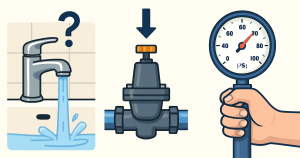
Signs of Improper Water Pressure
- High Water Pressure:
Signs include water hammer (banging noises when turning off taps), leaking fixtures, and spray from faucets. - Low Water Pressure:
Weak flow from faucets or showers, particularly during peak usage times, indicates low water pressure. - Frequent Leaks:
High pressure can cause pipes to wear out faster, leading to leaks in faucets, toilets, and other fixtures. - Damaged Appliances:
Appliances like dishwashers and washing machines may malfunction due to inconsistent water pressure.
DIY Solutions for Water Pressure Regulation
If you’re comfortable with basic plumbing tasks, there are several DIY solutions to help regulate your home’s water pressure.
1. Install a Pressure Regulating Valve (PRV)
What is a PRV?
A pressure regulating valve is designed to reduce and stabilize incoming water pressure from the municipal supply.
Installation Steps:
- Turn Off the Water Supply: Locate the main shut-off valve and turn off the water supply before starting any work.
- Locate the PRV: Usually installed near the main water line entering your home.
- Remove the Old Valve: Use a wrench to disconnect the old valve carefully.
- Install the New PRV: Follow the manufacturer’s instructions to install the new valve, ensuring all connections are tight.
- Test the System: Turn the water supply back on and check for leaks while adjusting the pressure settings as needed.
Considerations:
Installing a PRV can be a straightforward DIY project, but ensure you have the proper tools and follow safety precautions.
2. Adjust Existing PRV
If your home already has a pressure regulating valve, it might simply need adjustment.
Adjustment Steps:
- Locate the Adjustment Screw: Typically found on the top or side of the valve.
- Use a Wrench to Adjust: Turn the screw clockwise to increase pressure and counterclockwise to decrease it.
- Test the Pressure: After adjusting, turn on a faucet to check the hydraulic pressure and make further adjustments as necessary.
Considerations:
Adjusting a PRV is relatively simple, but be cautious not to set the pressure too high, which could cause damage.
3. Clean Faucet Aerators and Showerheads
If you’re experiencing low water pressure, mineral buildup in faucet aerators and showerheads can significantly restrict water flow.
Cleaning Steps:
- Remove Aerators and Showerheads: Unscrew them from the faucet or shower arm.
- Soak in Vinegar: Place them in a bowl of vinegar for several hours to dissolve mineral deposits.
- Scrub and Rinse: Use an old toothbrush to scrub away any remaining debris, then rinse thoroughly before reattaching.
Considerations:
Regularly cleaning aerators and showerheads can help maintain optimal water flow and pressure.
When to Consider Professional Installation
While DIY solutions can be effective, there are instances where professional installation might be the best choice.
1. Complex Plumbing Systems
If your home has a complex plumbing layout or multiple pressure zones, professional help can ensure that water pressure is regulated effectively throughout the entire system.
2. Severe Water Pressure Issues
If you’re dealing with extreme high or low hydraulic pressure issues, calling a professional is advisable. They have the expertise to diagnose underlying problems that may not be immediately apparent.
3. Lack of Tools or Experience
If you don’t have the necessary tools or feel uncomfortable performing plumbing work, hiring a professional guarantees the job will be done correctly.
Benefits of Professional Installation
- Expertise:
Licensed plumbers have the training and experience to address various plumbing issues, ensuring the pressure of your water is regulated effectively. - Quality Assurance:
Professionals will use high-quality materials and provide a warranty on their work, giving you peace of mind. - Time Efficiency:
Hiring a professional can save you time and effort, allowing you to focus on other important tasks while the plumbing work is handled. - Identifying Underlying Issues:
Plumbers can often identify and resolve underlying issues that may be causing hydraulic pressure problems, providing a more comprehensive solution.
Choosing Breakwater Plumbing for Your Needs
At Breakwater Plumbing, we treat every customer like family. Our friendly and professional team will take the time to understand your specific needs and concerns. We’ll explain everything in clear, easy-to-understand language and never pressure you into unnecessary services. Our fully qualified and insured technicians possess the knowledge and experience to handle any plumbing challenge, ensuring that your plumbing problems are fixed right the first time, every time.
If you’re experiencing water pressure issues or need assistance with installation, contact Breakwater Plumbing and request a callback today! Our expert team is ready to help you regulate your home’s hydraulic pressure efficiently and effectively.
You might find interesting:
- DIY Plumbing or Hire a Pro? Avoid Disaster by Knowing Where to Draw the Line
- PEX or Copper Pipes: What’s the True Upgrade?
- How to Check Your Home Water Pressure. ✅ Test to see your house has a normal water PSI! 🕘
- What to Do If You Have Low Water Pressure
- Best Video | Correct Way To Adjust Your Home Water Pressure | Fix Your Low Water Pressure