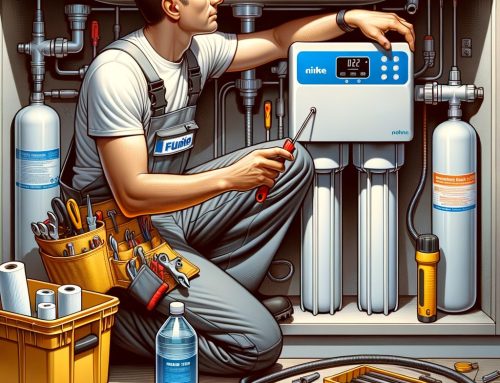
Water quality is a crucial concern for homeowners. With increasing awareness of contaminants in drinking water, choosing the right filtration system has become essential. Two popular options are point-of-use filters and whole-house water filters. Understanding the differences, pros, and cons of each can help you make an informed decision that meets your specific needs.
Understanding Water Filtration Systems
Water filtration systems are designed to remove impurities and contaminants from your water supply. They can improve taste, odor, and safety, ensuring you and your family consume clean, safe water. Here’s a closer look at the two main types of water filtration systems: point-of-use filters and whole-house filters.
What is a Point-of-Use Water Filter?
 Definition:
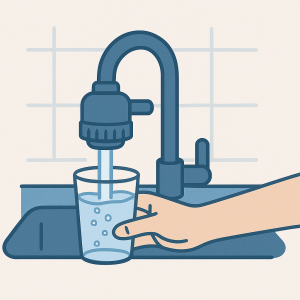
A point-of-use (POU) water filter is a filtration system installed at a single tap or appliance, such as a kitchen sink, refrigerator, or bathroom faucet. These filters are designed to provide immediate access to clean water for drinking and cooking.
Types of Point-of-Use Filters:
- Activated Carbon Filters: These filters use activated carbon to remove chlorine, sediment, and volatile organic compounds (VOCs), improving taste and odor.
- Reverse Osmosis Systems: These systems use a semi-permeable membrane to remove a wide range of contaminants, including heavy metals, bacteria, and dissolved solids.
- Ultraviolet (UV) Filters: These filters use UV light to kill harmful microorganisms, making them an excellent choice for disinfecting water.
Advantages of Point-of-Use Filters
- Cost-Effective: Point-of-use filters are generally less expensive than whole-house systems, making them an affordable option for many homeowners.
- Easy Installation: Most POU systems can be installed by a homeowner with basic plumbing skills, often requiring only a few tools.
- Focused Filtration: Since these filters target specific contaminants, they can be tailored to meet the unique needs of your water supply.
- Space-Saving: POU filters take up minimal space and can be installed under the sink or directly on the faucet.
Disadvantages of Point-of-Use Filters
- Limited Coverage: Since POU filters only provide filtered water at a single point, other taps in the house will still have unfiltered water.
- Frequent Maintenance: Depending on the type of filter, maintenance and replacement may be needed regularly to ensure optimal performance.
- Flow Rate Limitations: Some POU filters may reduce the water flow rate, which can be inconvenient for larger households.
What is a Whole-House Water Filter?
 Definition:
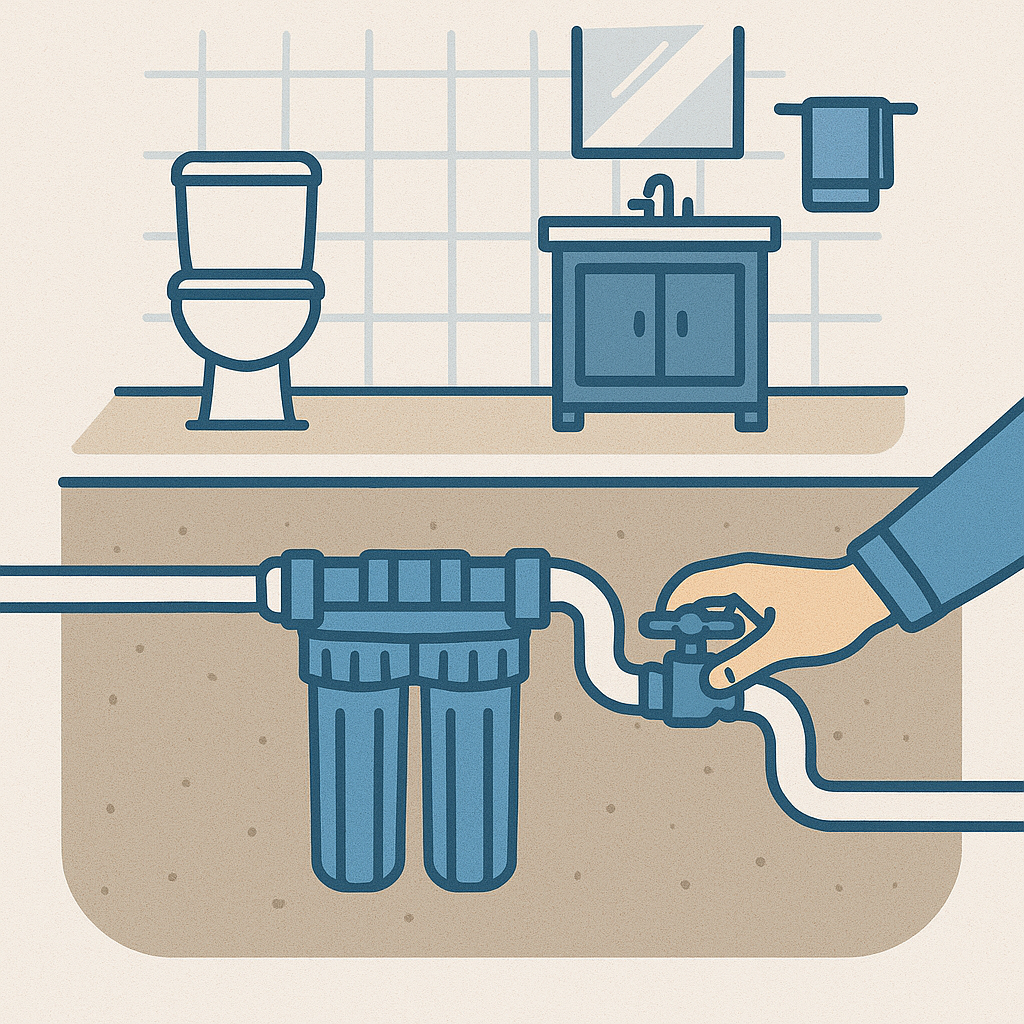
A whole-house (WH) water filter is a comprehensive filtration system installed at the main water line, treating all water entering your home. This means every tap, appliance, and fixture receives filtered water.
Types of Whole-House Filters:
- Activated Carbon Whole-House Filters: These systems remove chlorine, sediment, and other contaminants from the entire home’s water supply.
- Water Softeners: While not traditional filters, water softeners reduce hard minerals like calcium and magnesium, improving water quality and extending the life of plumbing fixtures and appliances.
- UV Whole-House Systems: These systems purify water for the entire home by using UV light to eliminate bacteria and viruses.
Advantages of Whole-House Filters
- Comprehensive Coverage: Whole-house systems provide filtered water to every outlet, ensuring all water used for drinking, cooking, bathing, and cleaning is clean.
- Convenience: Homeowners don’t have to worry about filtering water at multiple points, making it easier to ensure water quality throughout the home.
- Reduced Plumbing Issues: Whole-house filters can help reduce scale buildup and corrosion in pipes and appliances, leading to fewer plumbing issues.
Disadvantages of Whole-House Filters
- Higher Initial Cost: Whole-house systems typically require a larger upfront investment compared to point-of-use filters.
- Space Requirements: These systems often require more installation space, which may be a concern for smaller homes or apartments.
- Professional Installation Needed: Installing a whole-house filter usually requires a licensed plumber, which can add to the overall cost.
Key Differences Between Point-of-Use and Whole-House Filters
| Feature | Point-of-Use Filters | Whole-House Filters |
|---|---|---|
| Coverage | Single point (e.g., kitchen sink) | Entire home |
| Cost | Generally lower initial cost | Higher initial cost |
| Installation | Often DIY-friendly | Typically requires professional installation |
| Maintenance | Regular filter replacement needed | Maintenance varies by system |
| Flow Rate | May reduce flow rate | Usually maintains consistent flow |
Which Filter is Right for You?
Determining whether a point-of-use or whole-house water filter is best for your home depends on several factors:
1. Water Quality Needs:
If you’re primarily concerned about drinking and cooking water quality, a point-of-use filter may suffice. However, if you want clean water for bathing, washing clothes, and other household uses, a whole-house system is the better choice.
2. Household Size:
Larger households may benefit from a whole-house system to ensure everyone has access to filtered water at all times. Smaller households might find point-of-use filters adequate.
3. Budget Considerations:
Evaluate your budget for both initial installation costs and ongoing maintenance. Point-of-use filters are generally more affordable upfront but may require frequent replacement.
4. Space Availability:
Consider the available space for installation. If your home has limited space, point-of-use filters can be a practical solution.
Professional Assistance from Breakwater Plumbing
At Breakwater Plumbing, we treat every customer like family. Our friendly and professional team will take the time to understand your specific needs and concerns. We’ll explain everything in clear, easy-to-understand language and never pressure you into unnecessary services. Our fully qualified and insured technicians possess the expertise to help you choose the right water filtration system for your home.
If you’re ready to improve your home’s water quality with the right filtration system, contact Breakwater Plumbing and request a callback today! Our experienced team is here to guide you through the process and ensure you make the best choice for your needs.